There are things in a kitchen that suggest efficiency.
These are not those things.
These are the objects that whisper of slower breakfasts, of sunlight slanting across a table you haven’t cleared yet, of toast that deserves a moment of ceremony.
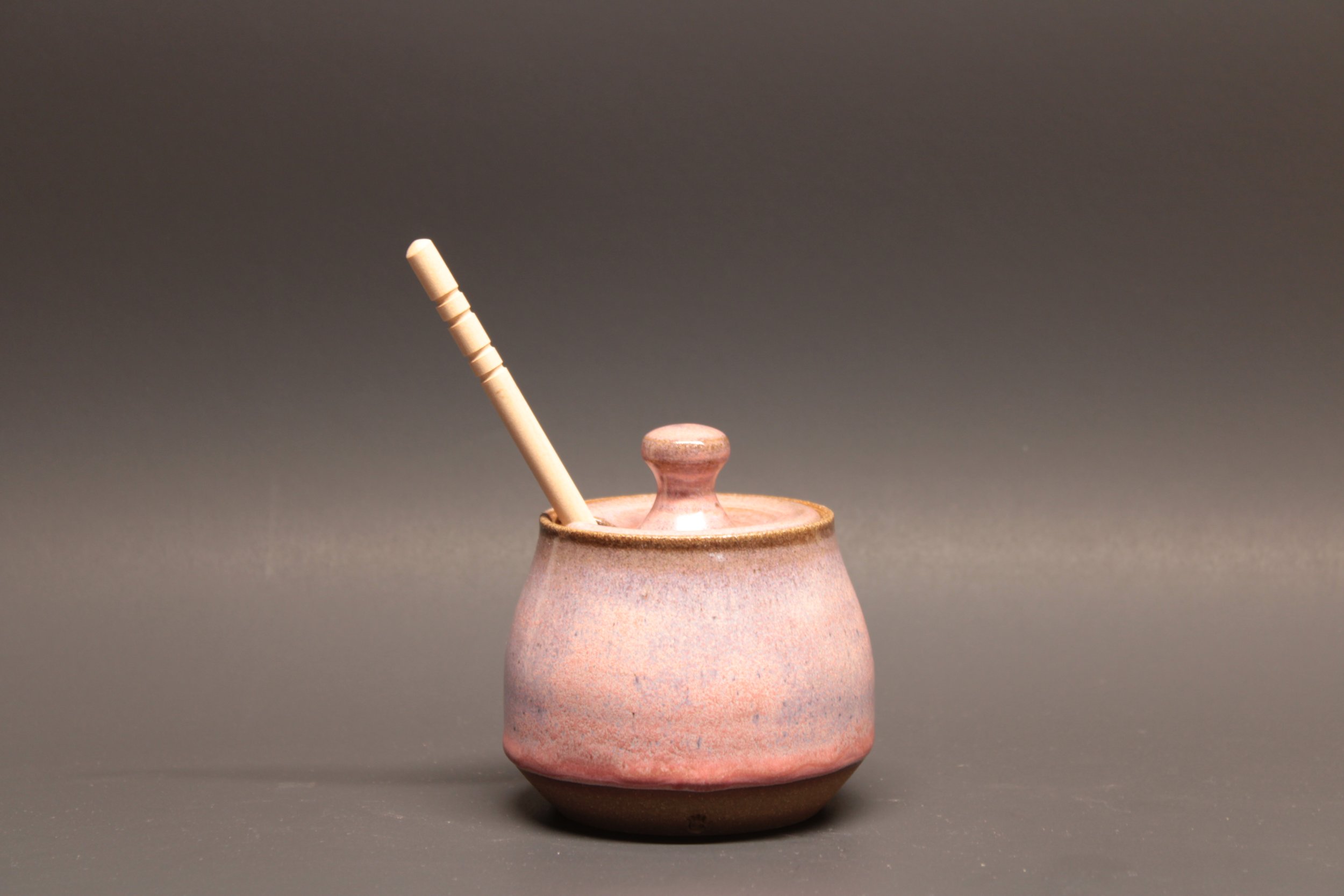
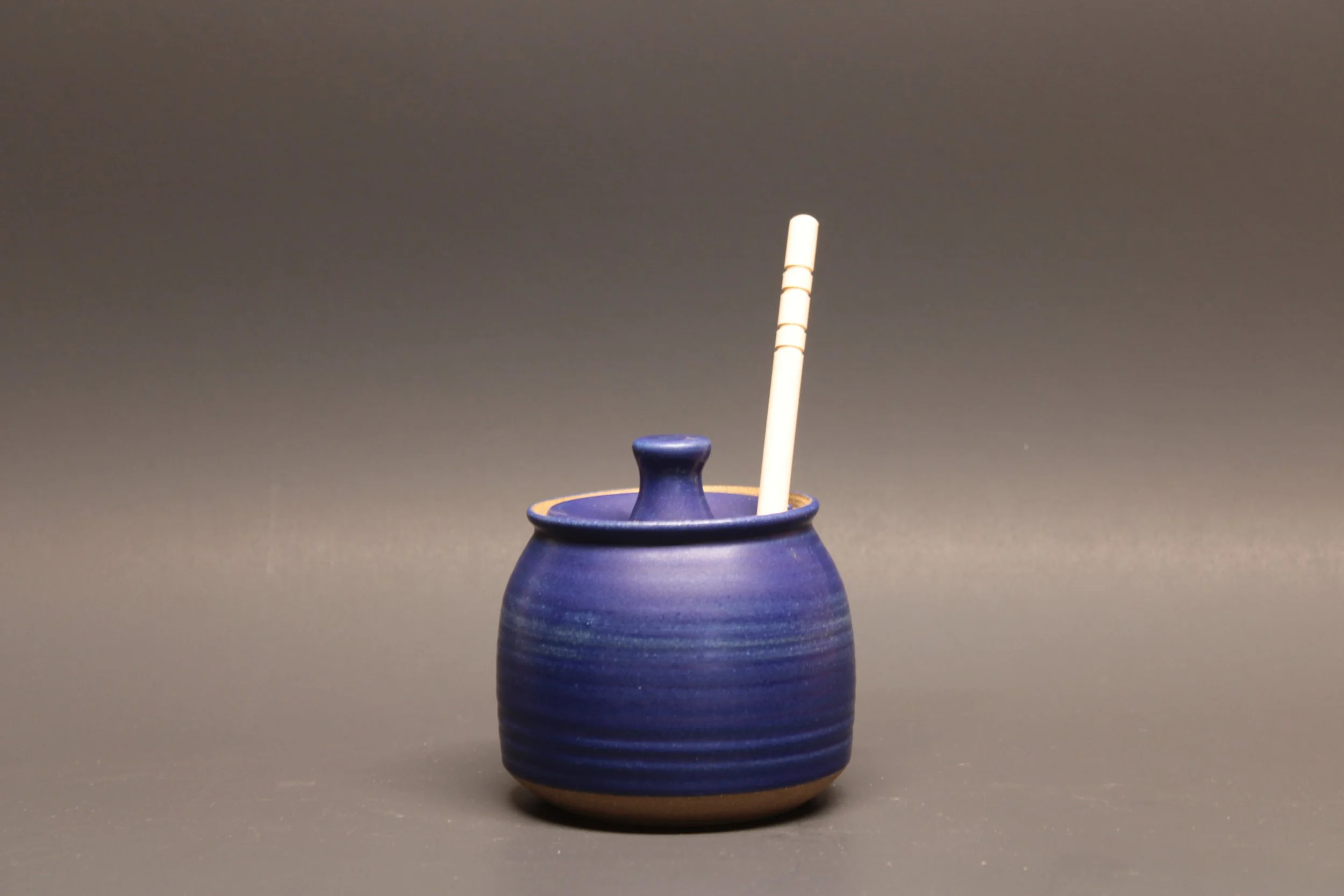
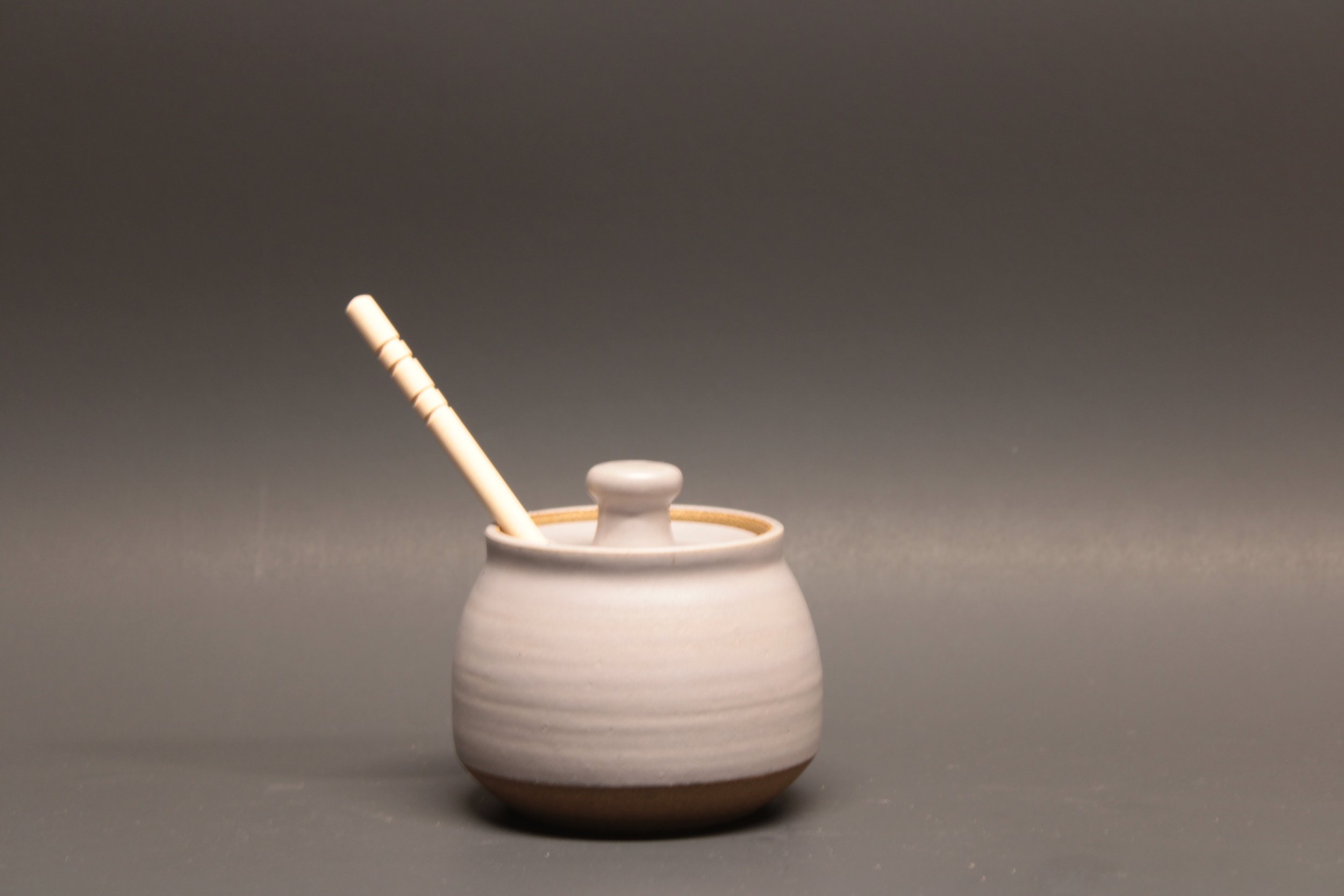
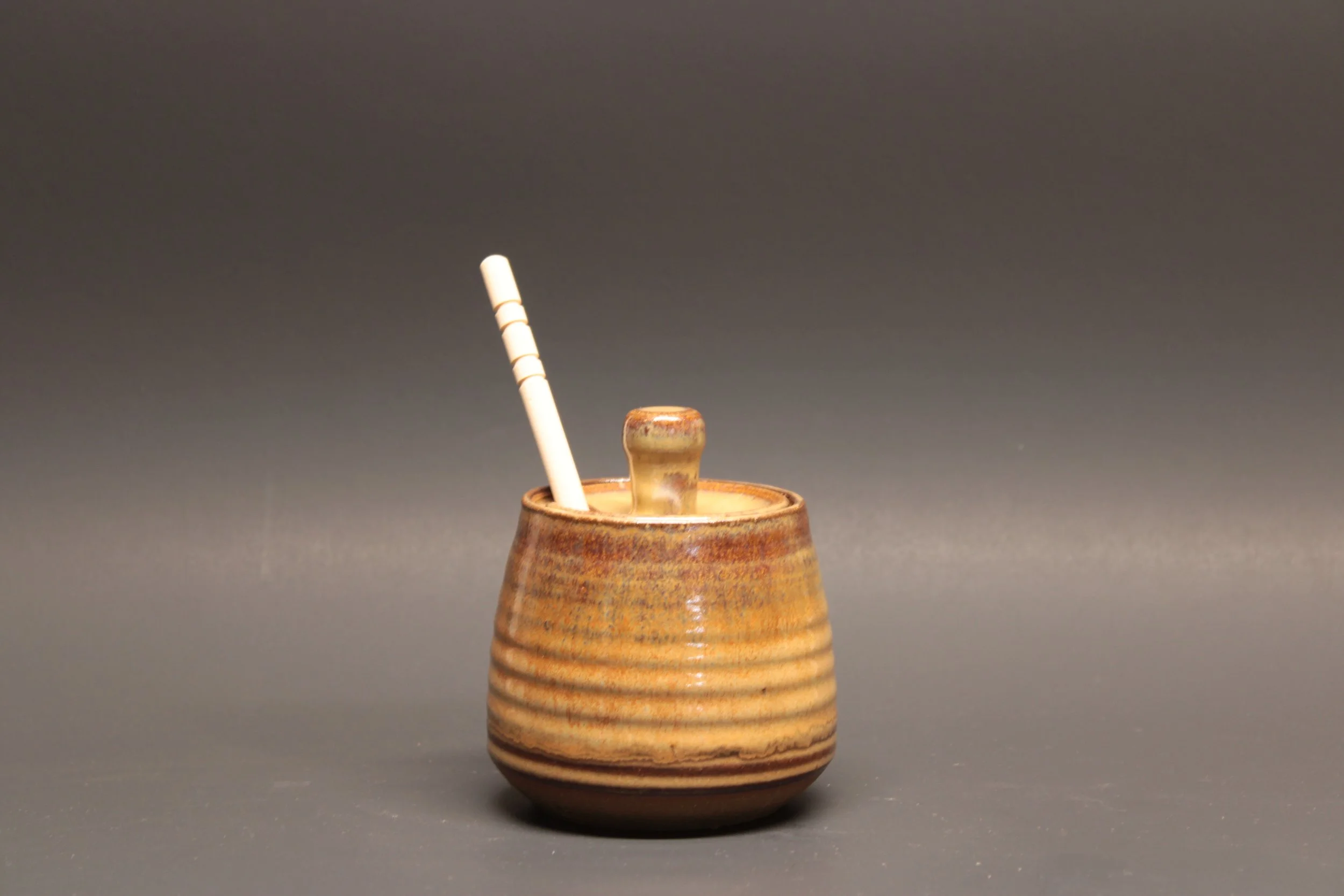
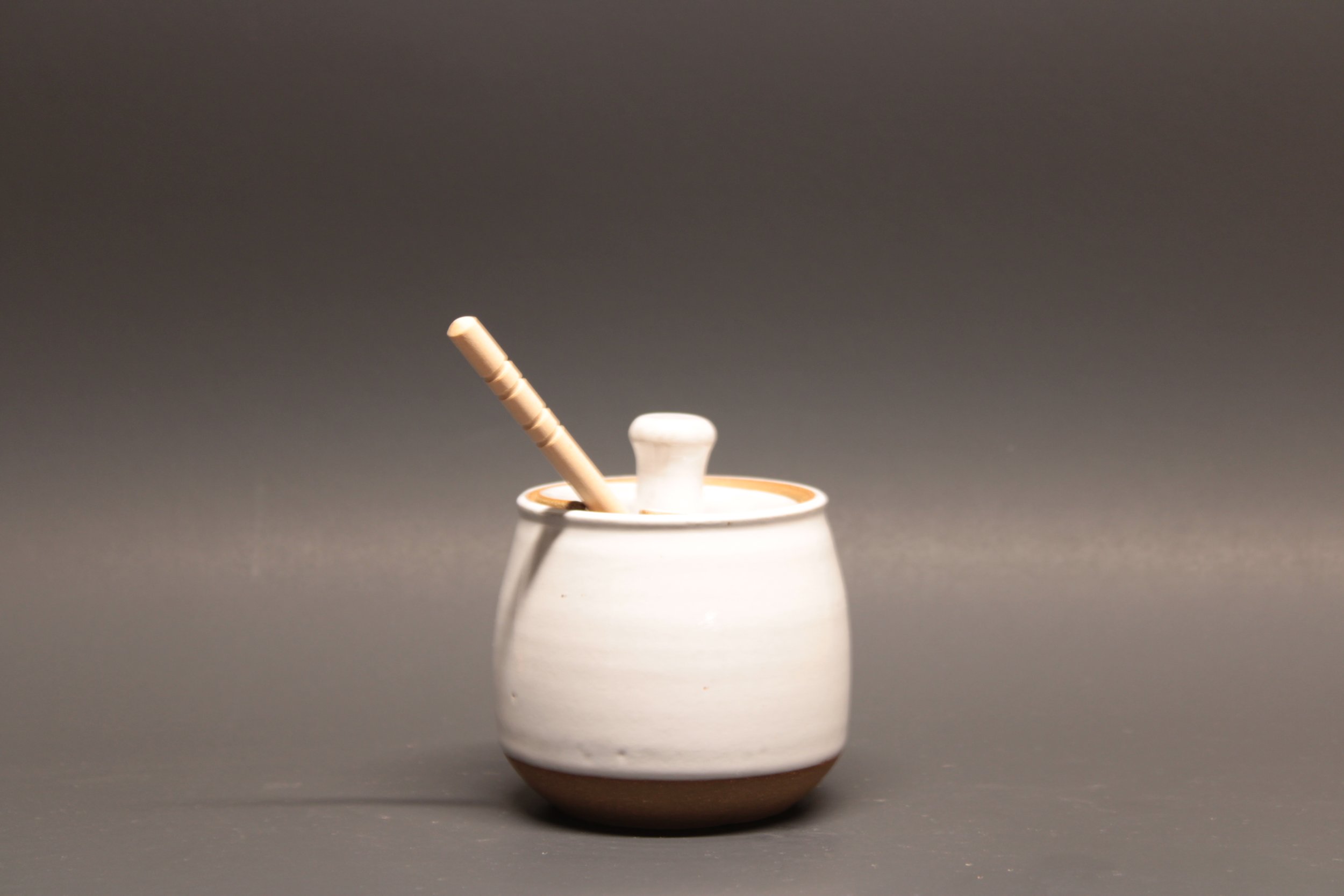
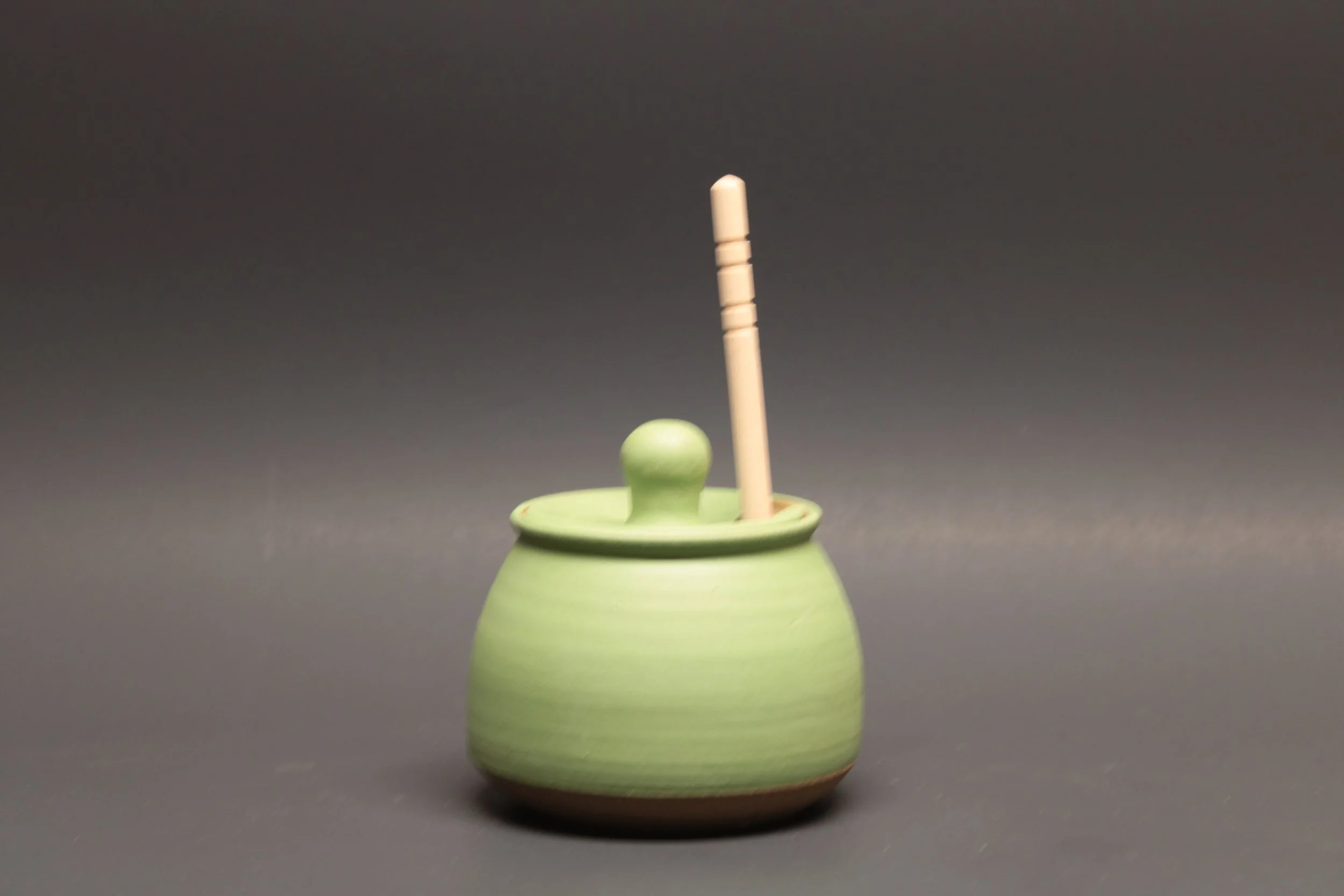
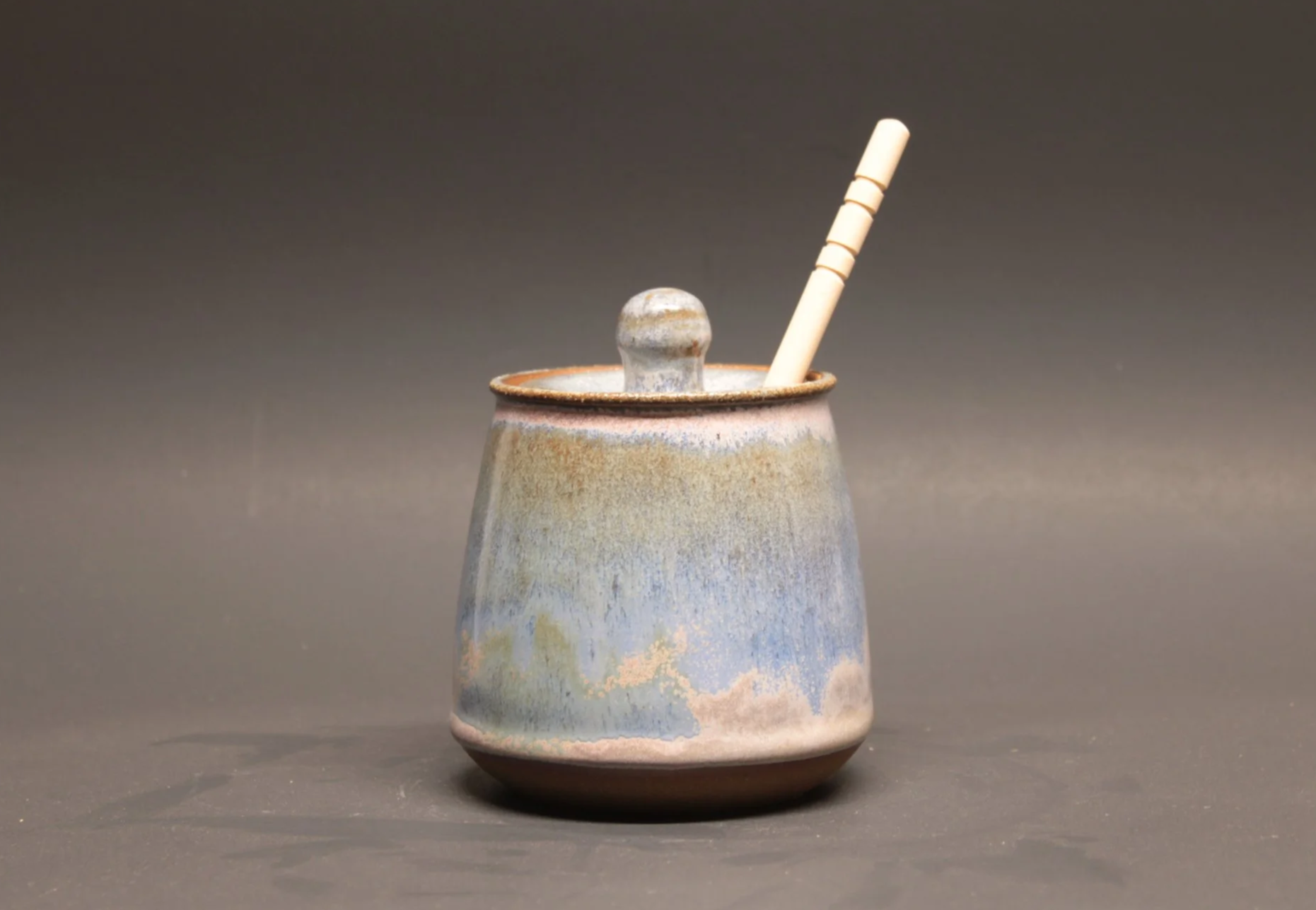
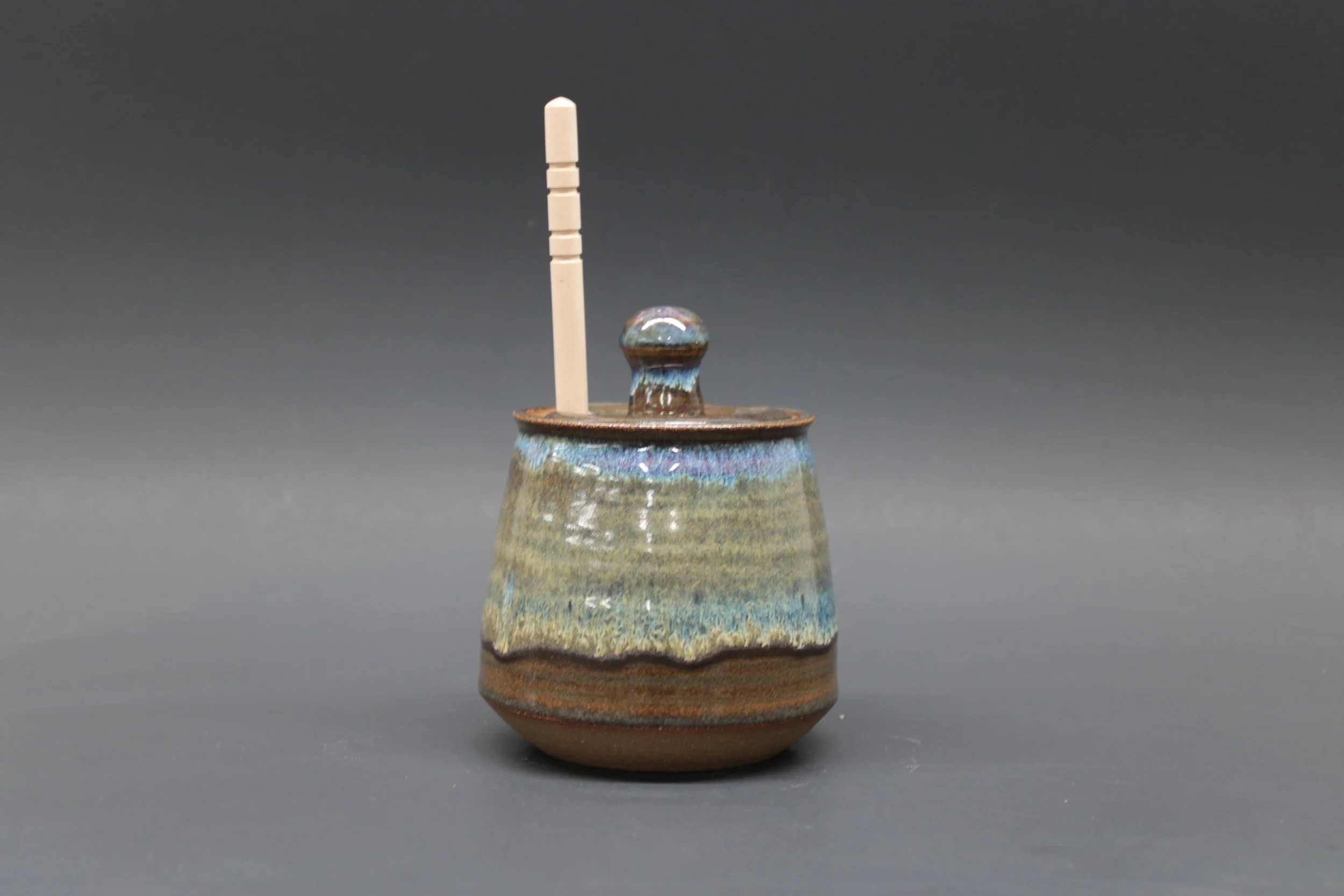
Each honey pot—round, humble, and charmingly self-assured—looks as though it might have been discovered in a small village where the beekeeper knows both the bees and their individual temperaments.
Each lid sits atop its pot with a comfortable decisiveness, crowned with a small knob that seems designed for someone who appreciates tactile pleasures. The wooden honey dippers—simple, smooth, perfectly balanced—wait like polite accomplices.
Dip, drizzle, repeat.
You begin to understand why ancient poets were obsessed with bees.
The Honey Pots.
For those who know sweetness deserves its own vessel—and its own ritual.
There are things in a kitchen that suggest efficiency.
These are not those things.
These are the objects that whisper of slower breakfasts, of sunlight slanting across a table you haven’t cleared yet, of toast that deserves a moment of ceremony.
Each honey pot—round, humble, and charmingly self-assured—looks as though it might have been discovered in a small village where the beekeeper knows both the bees and their individual temperaments.
Each lid sits atop its pot with a comfortable decisiveness, crowned with a small knob that seems designed for someone who appreciates tactile pleasures. The wooden honey dippers—simple, smooth, perfectly balanced—wait like polite accomplices.
Dip, drizzle, repeat.
You begin to understand why ancient poets were obsessed with bees.
The Honey Pots.
For those who know sweetness deserves its own vessel—and its own ritual.
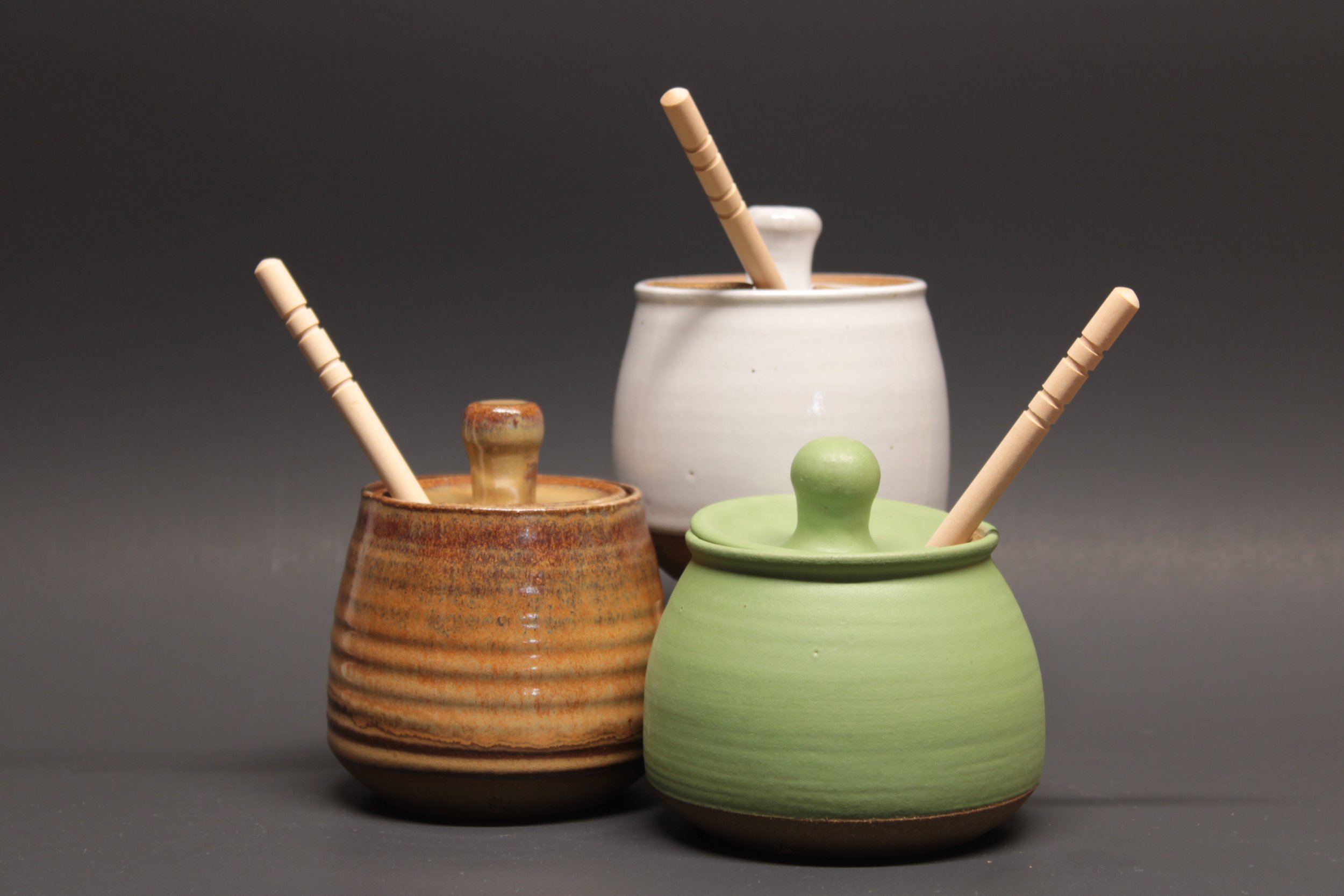 Image 1 of 12
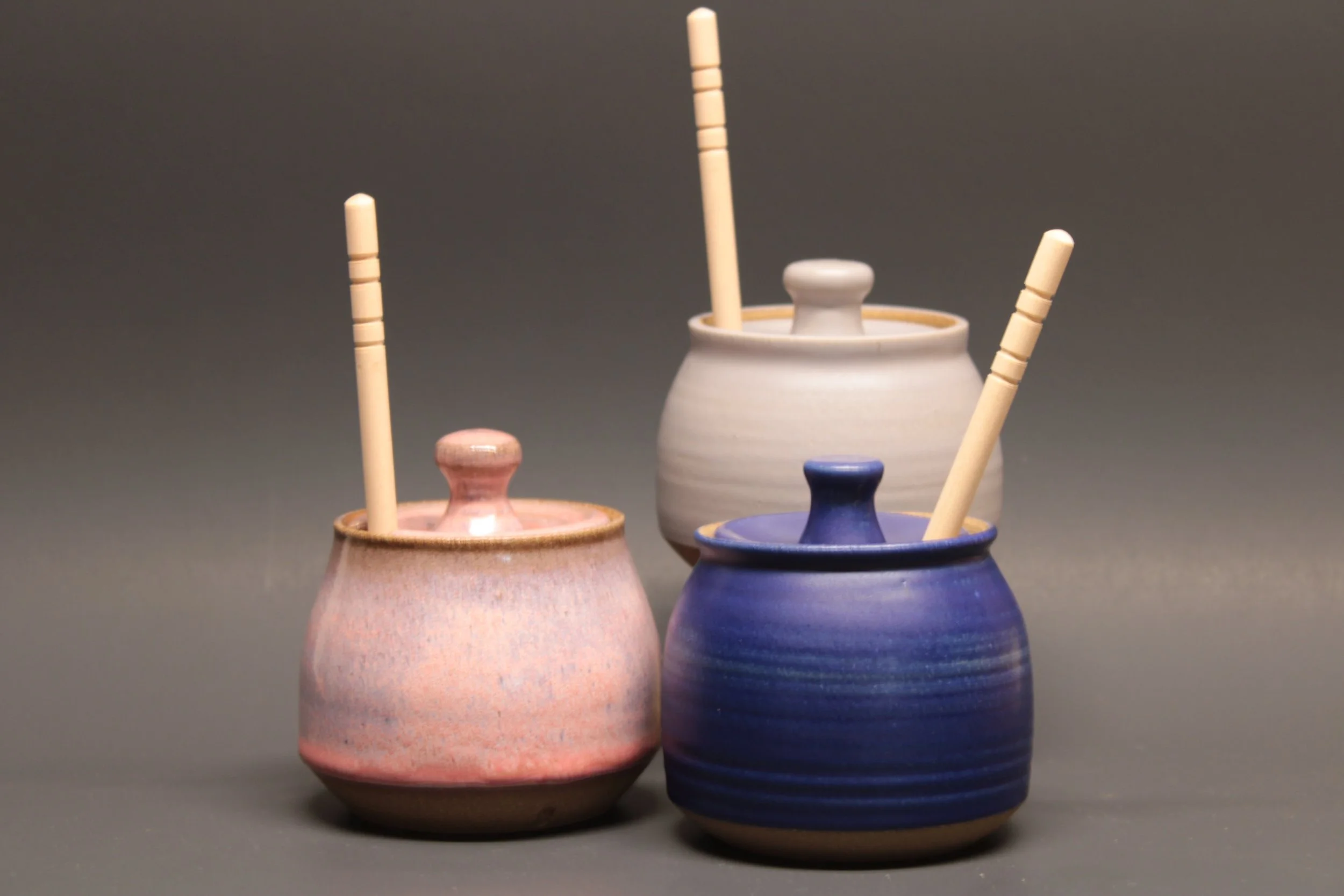 Image 2 of 12
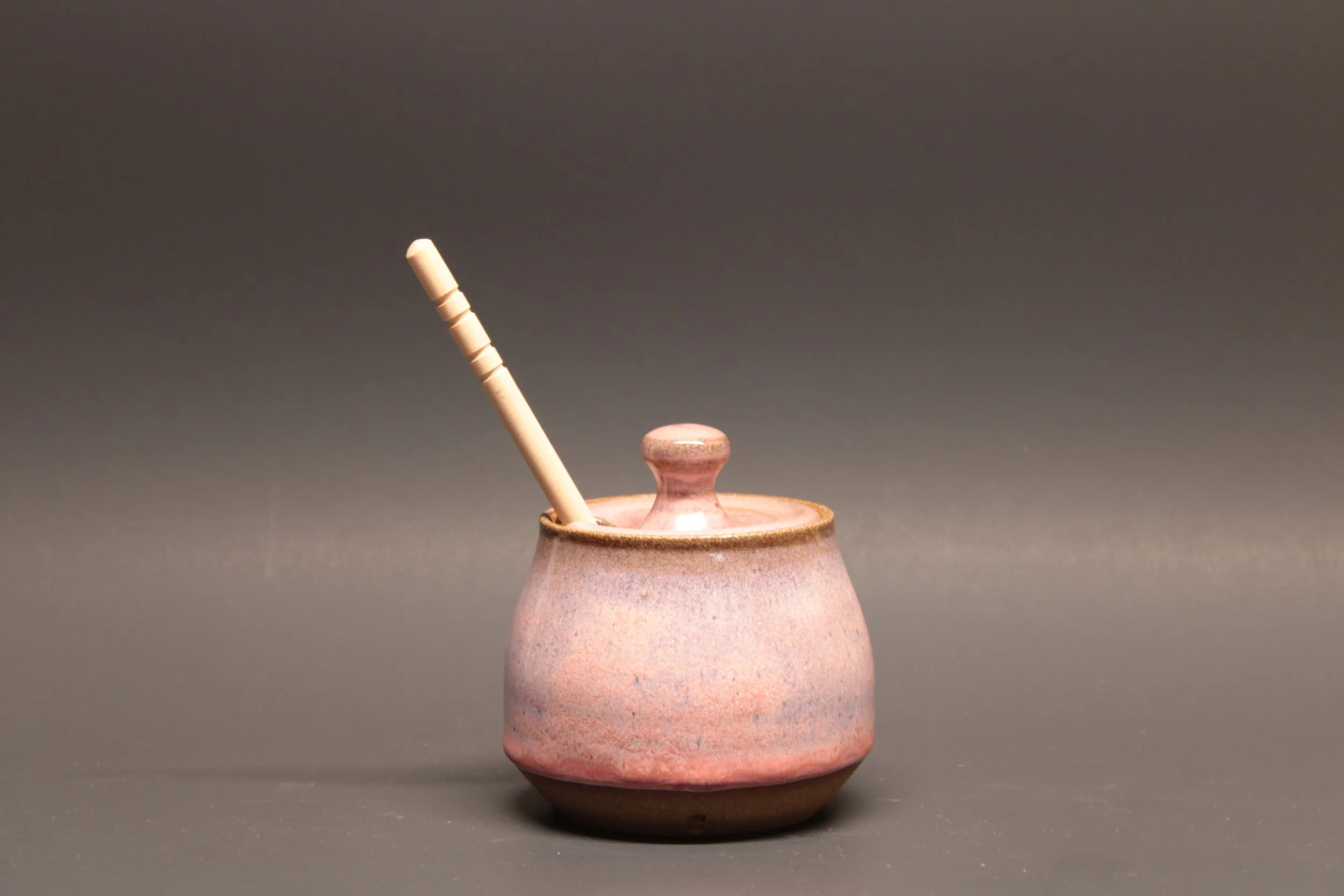 Image 3 of 12
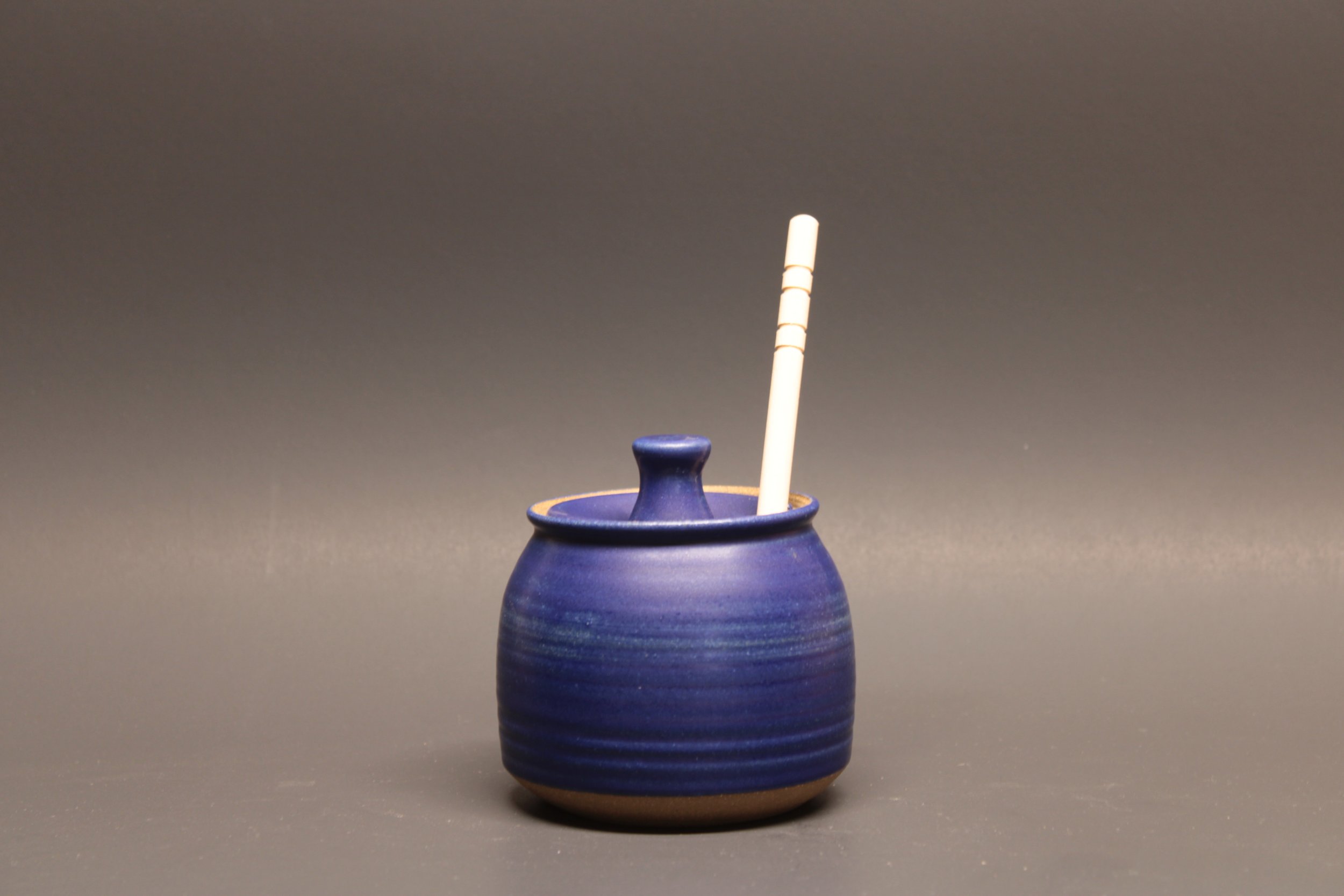 Image 4 of 12
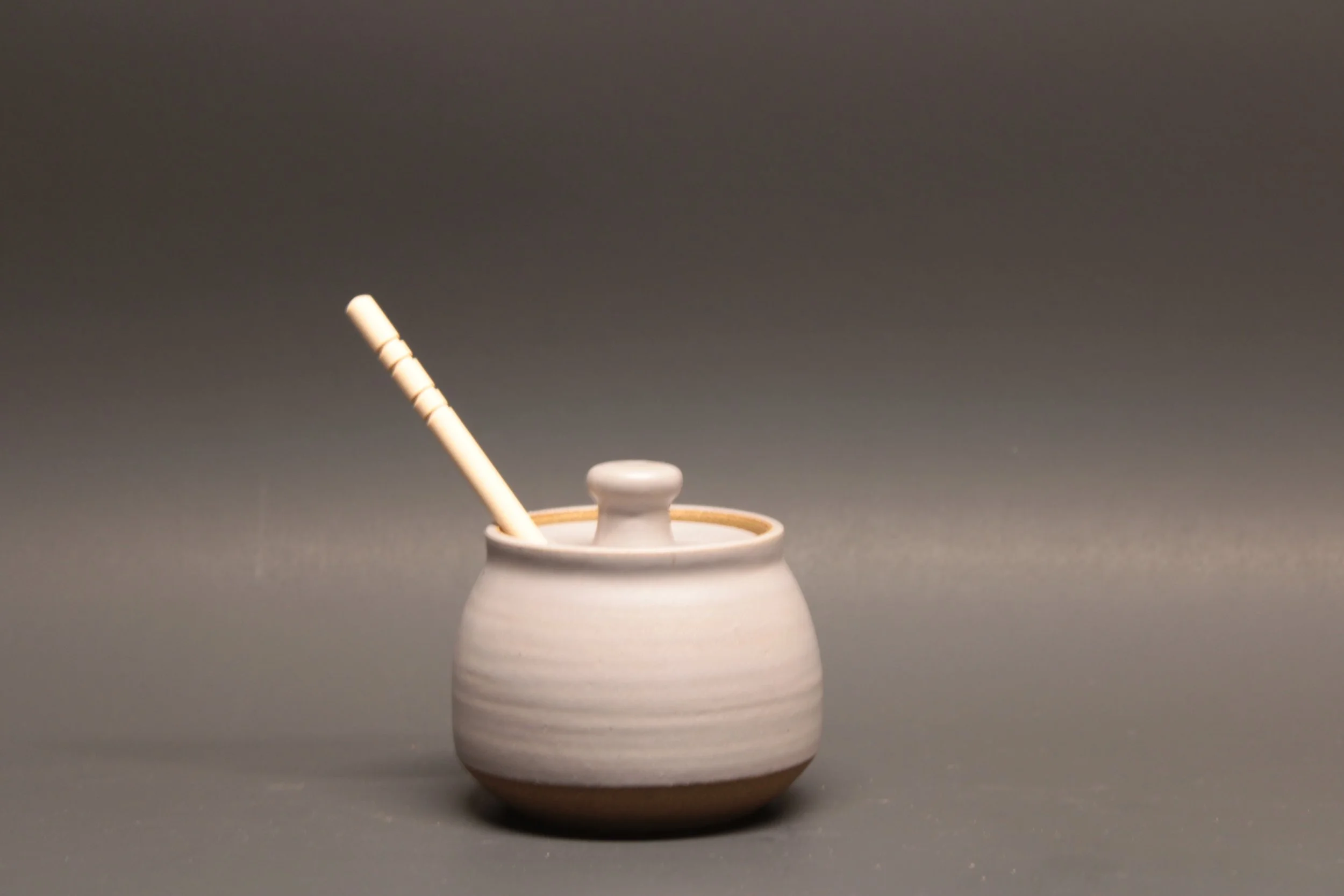 Image 5 of 12
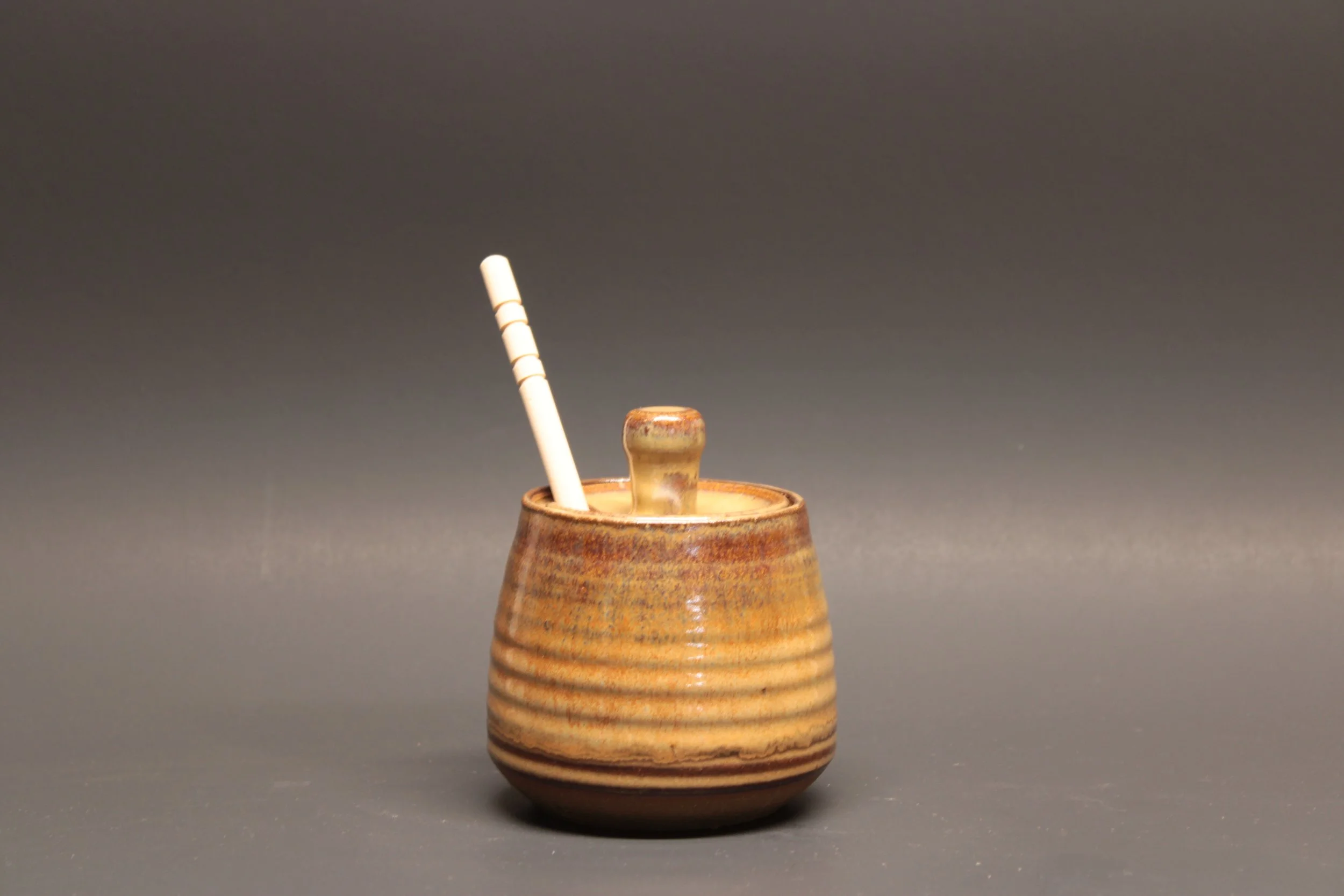 Image 6 of 12
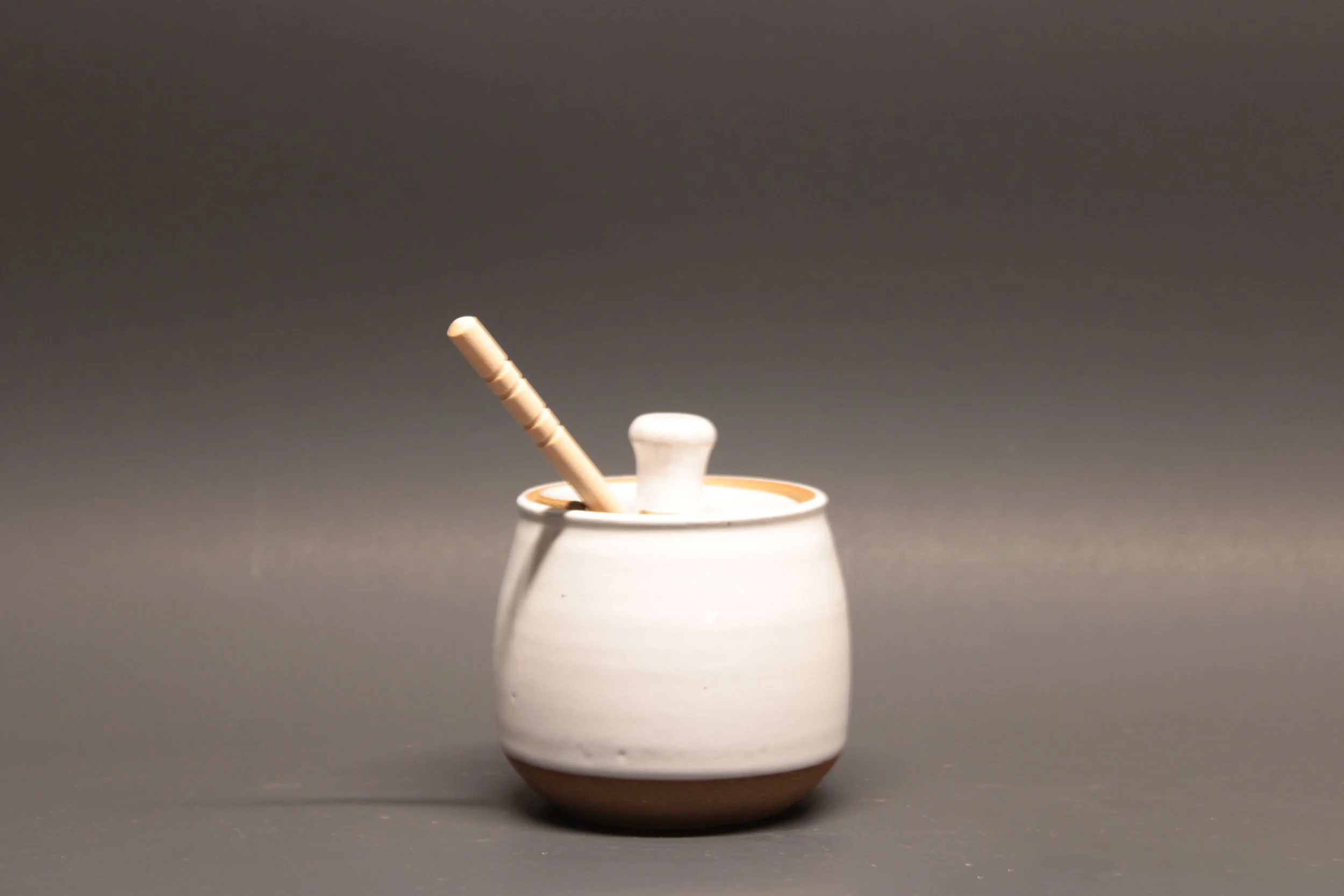 Image 7 of 12
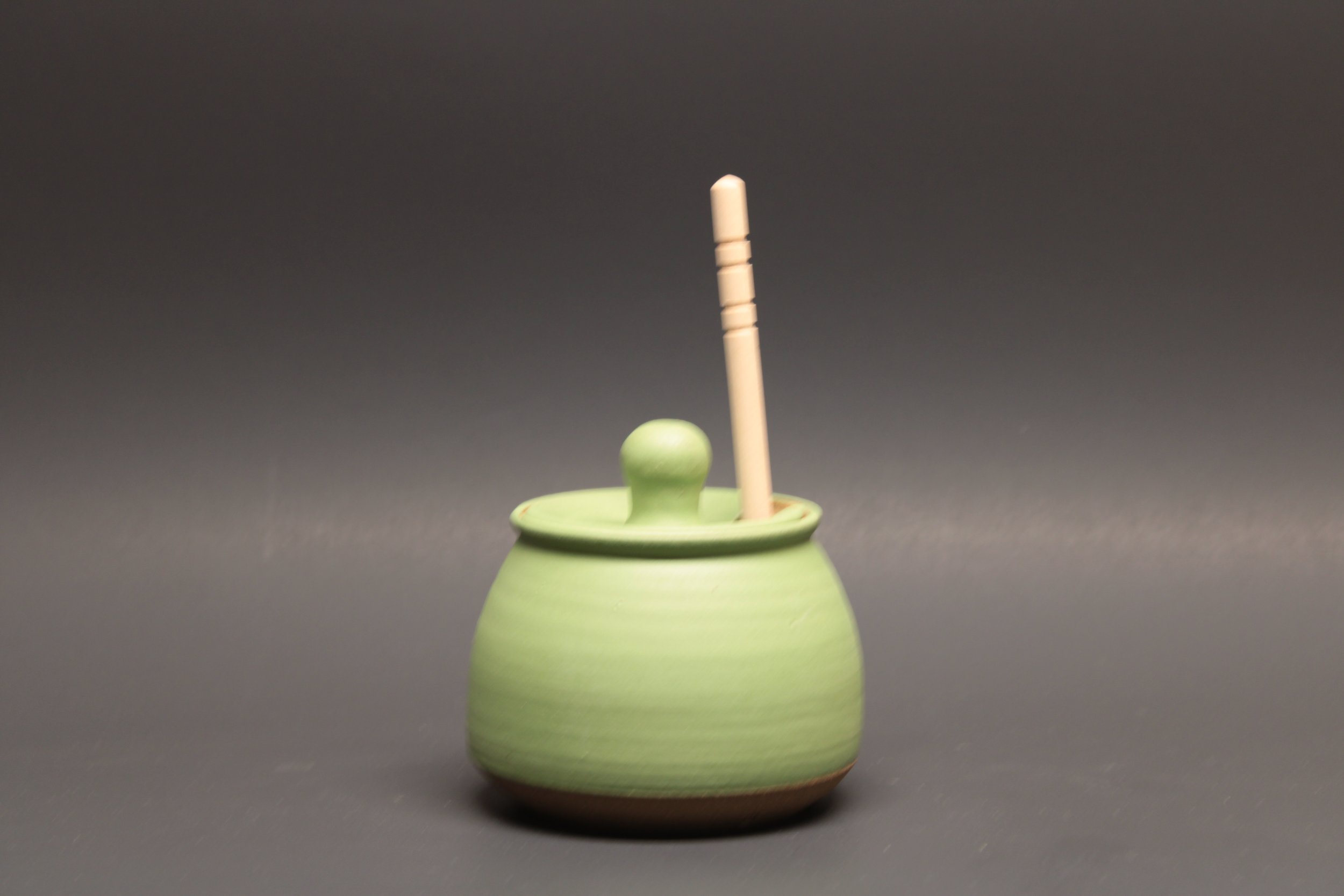 Image 8 of 12
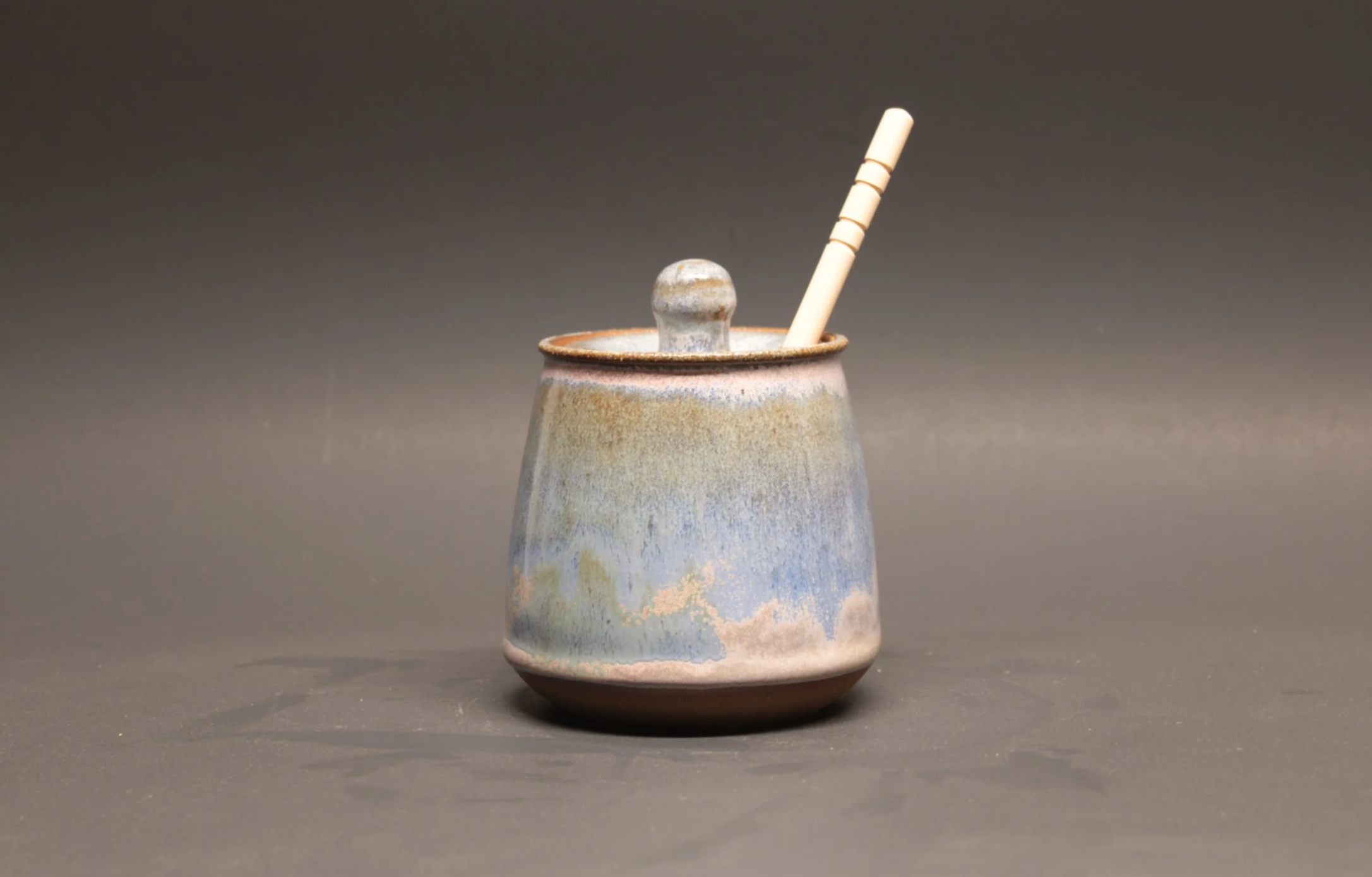 Image 9 of 12
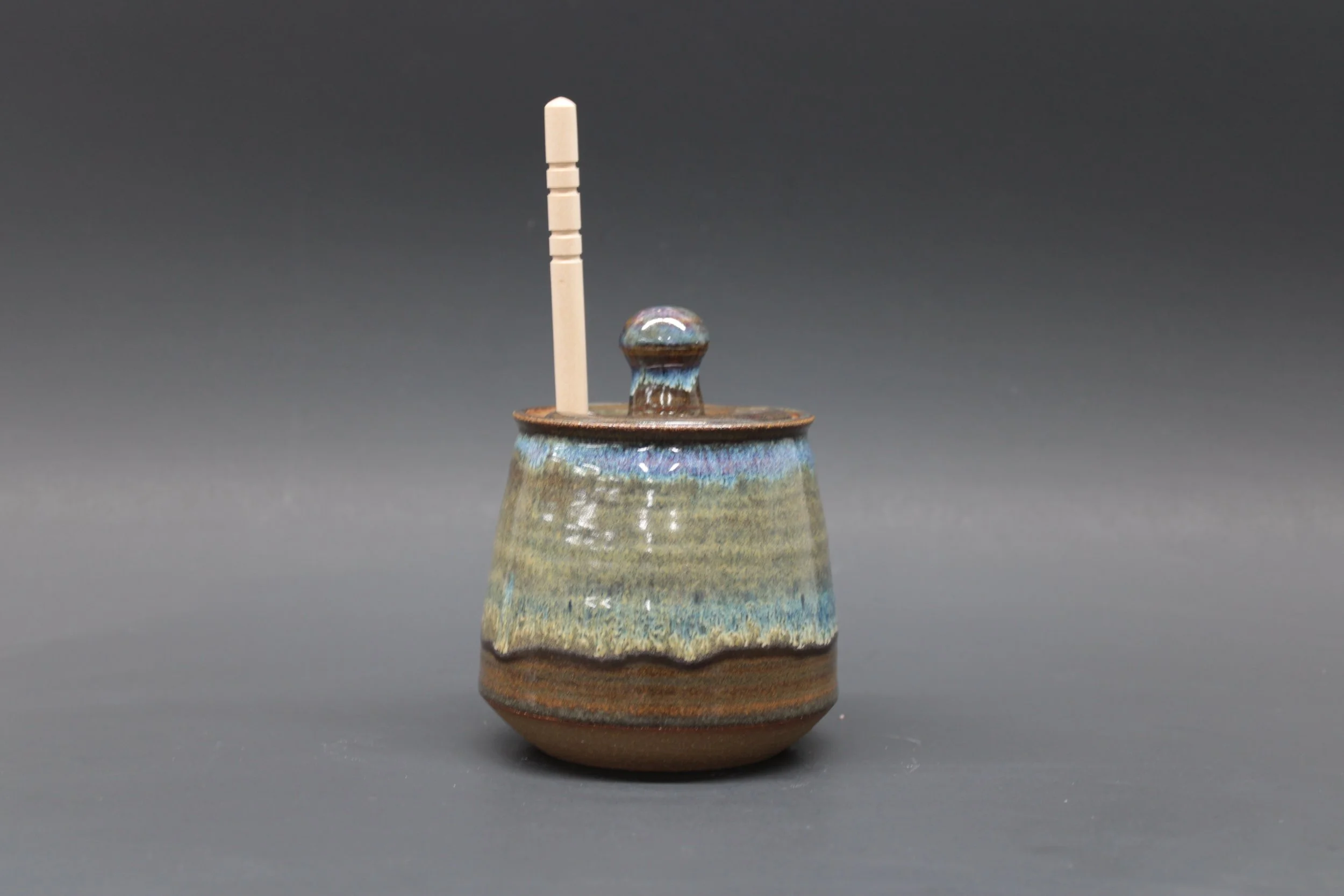 Image 10 of 12
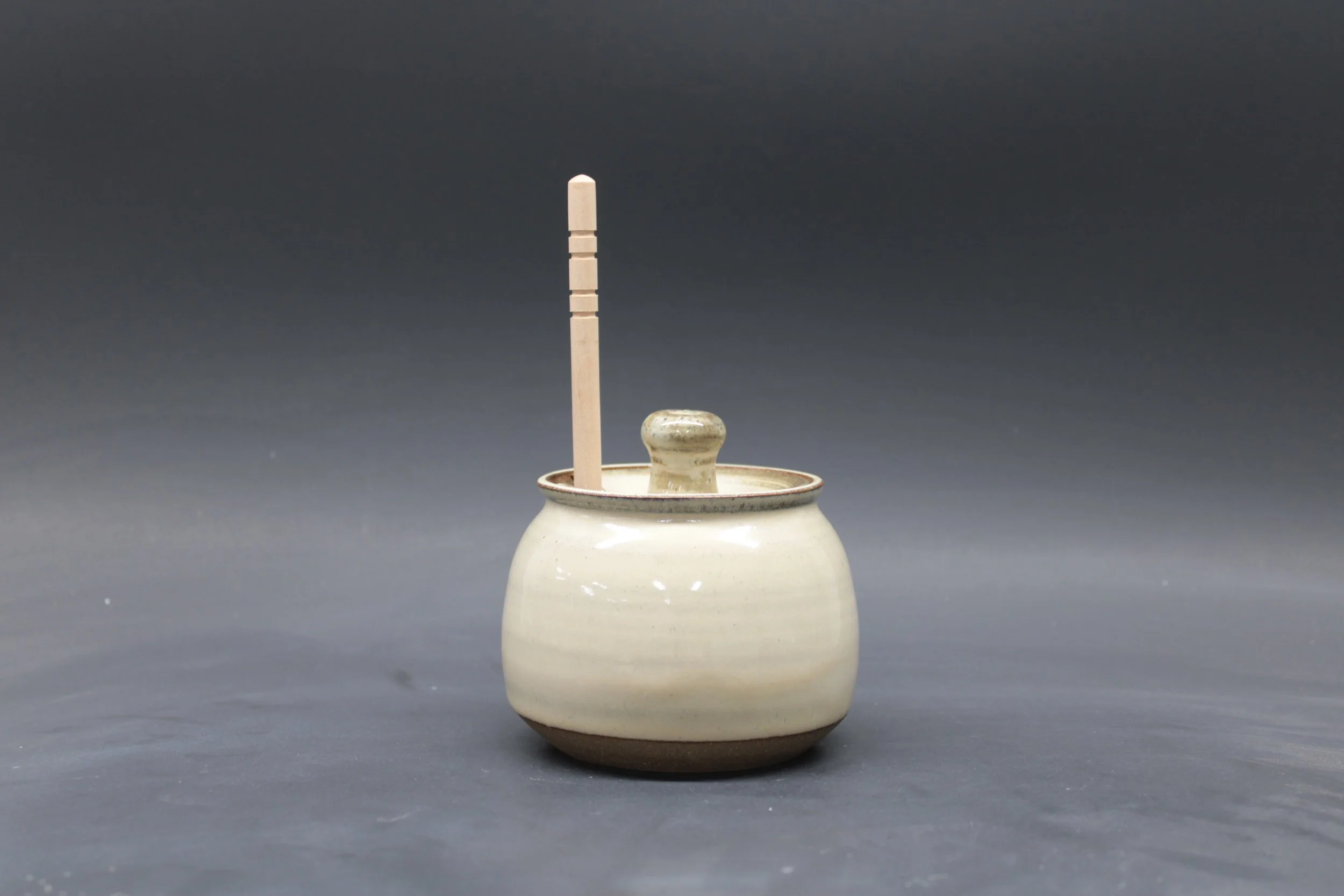 Image 11 of 12
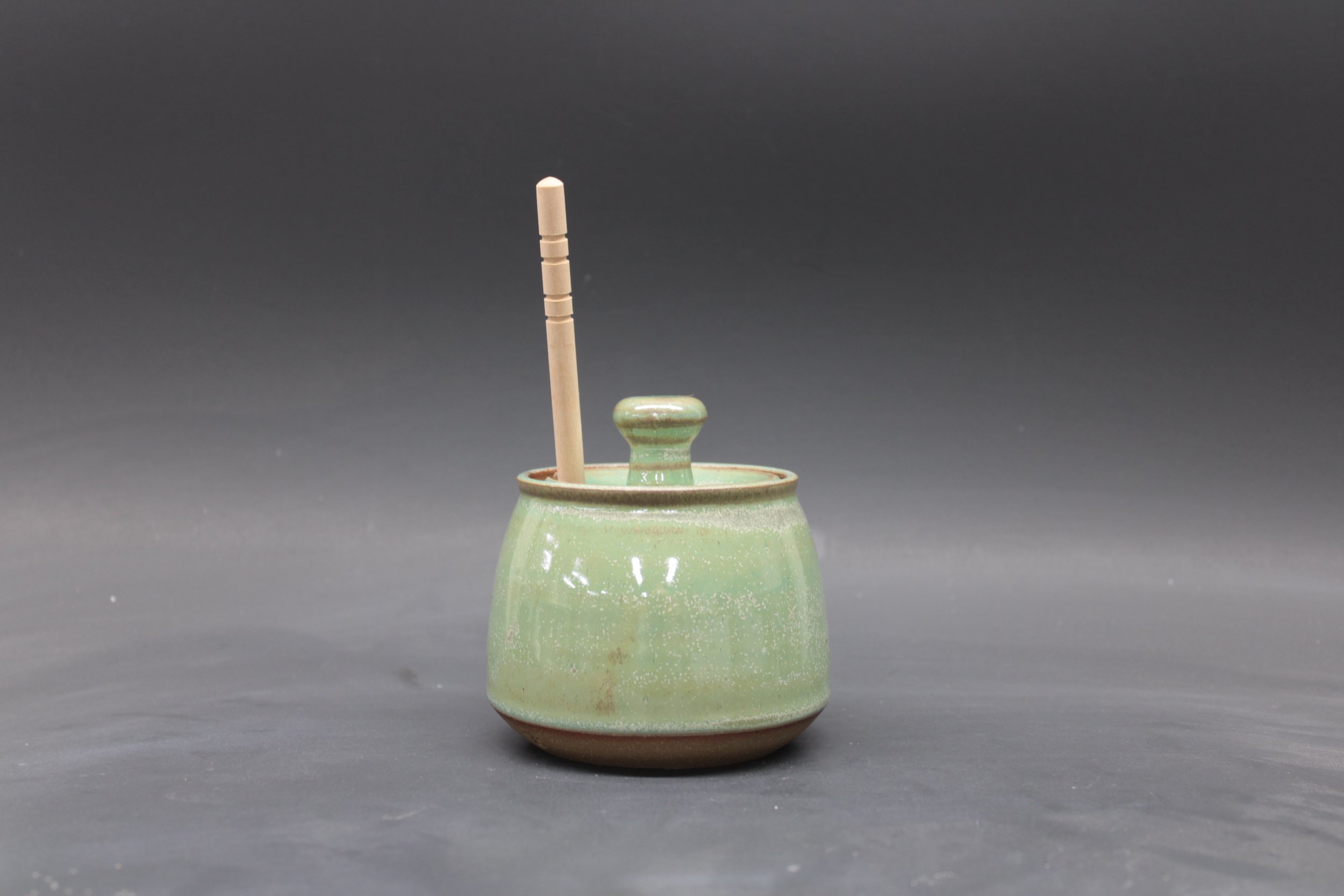 Image 12 of 12